
DOrSU strengthens push for internationalization in instruction, research, community engagement
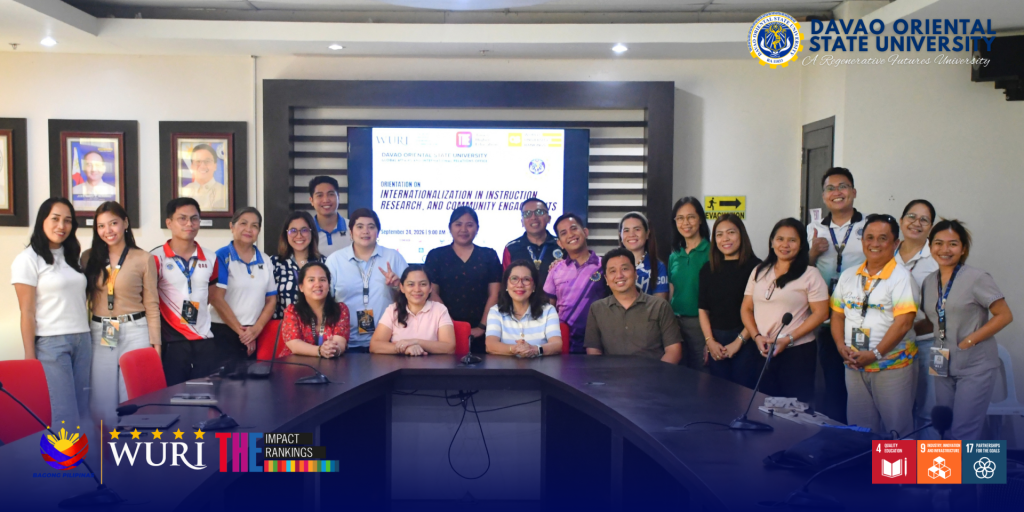
Davao Oriental State University (DOrSU) is expanding its internationalization efforts by bringing global perspectives into instruction, research, community engagement, and student learning opportunities.
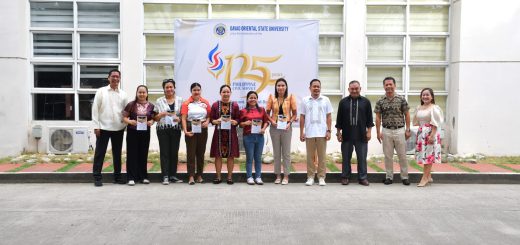
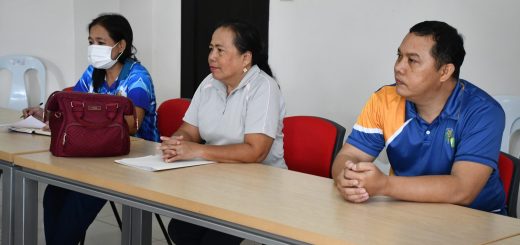
As part of its ASEAN 2026 celebration themed “Navigating Our Future, Together,” the University held an orientation on Internationalization in Instruction, Research, and Community Engagements on September 24 at the University Boardroom.
The discussions centered on how DOrSU can deepen its engagement with the global academic community while remaining grounded in its regional identity and the needs of the communities it serves.
Dr. Lilibeth S. Galvez, Vice President for Global Affairs and Strategic Operations, discussed ways of integrating international perspectives into instruction and community engagement. She underscored the role of academic units in translating internationalization from an institutional direction into concrete programs, partnerships, and learning experiences.
Among the approaches introduced was Collaborative Online International Learning (COIL), which allows students to work and learn with peers from other countries through technology-enabled classroom collaboration.
Dr. Lanie B. Laureano, Director for Extension, discussed the COIL framework, while Dr. Sheena Michelle B. Diano, COIL Coordinator, presented its potential to develop students’ intercultural competence and expose them to international perspectives without the need for overseas travel.
For students interested in gaining experience abroad, Mr. Renante Andrada, Student Internship Abroad Program (SIAP) Coordinator, discussed opportunities available through the University’s international internship program.
The orientation also tackled internationalization in research and community engagement, highlighting how partnerships with institutions outside the country can widen the reach of DOrSU’s work while keeping local issues and community needs at the center.
Participants were likewise introduced to global and sustainability ranking systems and the indicators used to assess areas such as academic quality, research, international engagement, institutional visibility, innovation, and sustainability.
DOrSU’s participation in international ranking systems, including Times Higher Education (THE), Quacquarelli Symonds (QS), and the World University Rankings for Innovation (WURI), forms part of the University’s broader efforts to strengthen its presence in the international academic community.
Beyond rankings, partnerships, and overseas opportunities, however, internationalization also takes place in the classroom, in collaborative research, in community-based initiatives, and in the way students engage with people, ideas, and perspectives beyond their own contexts.
For DOrSU, becoming more globally connected does not mean moving away from its regional character. Rather, it means creating more avenues for the knowledge, experiences, and concerns of Davao Oriental to become part of wider academic conversations—and for global perspectives to enrich the University’s work at home.