

𝐃𝐎𝐫𝐒𝐔 𝐋𝐚𝐮𝐧𝐜𝐡𝐞𝐬 𝐓𝐫𝐚𝐢𝐧𝐞𝐫’𝐬 𝐌𝐨𝐝𝐮𝐥𝐞, 𝐏𝐨𝐥𝐢𝐜𝐲 𝐁𝐫𝐢𝐞𝐟 𝐒𝐞𝐫𝐢𝐞𝐬 𝐚𝐭 𝐈𝐧𝐚𝐮𝐠𝐮𝐫𝐚𝐥 𝐑𝐞𝐠𝐞𝐧𝐞𝐫𝐚𝐭𝐢𝐯𝐞 𝐅𝐮𝐭𝐮𝐫𝐞𝐬 𝐂𝐨𝐧𝐟𝐞𝐫𝐞𝐧𝐜𝐞
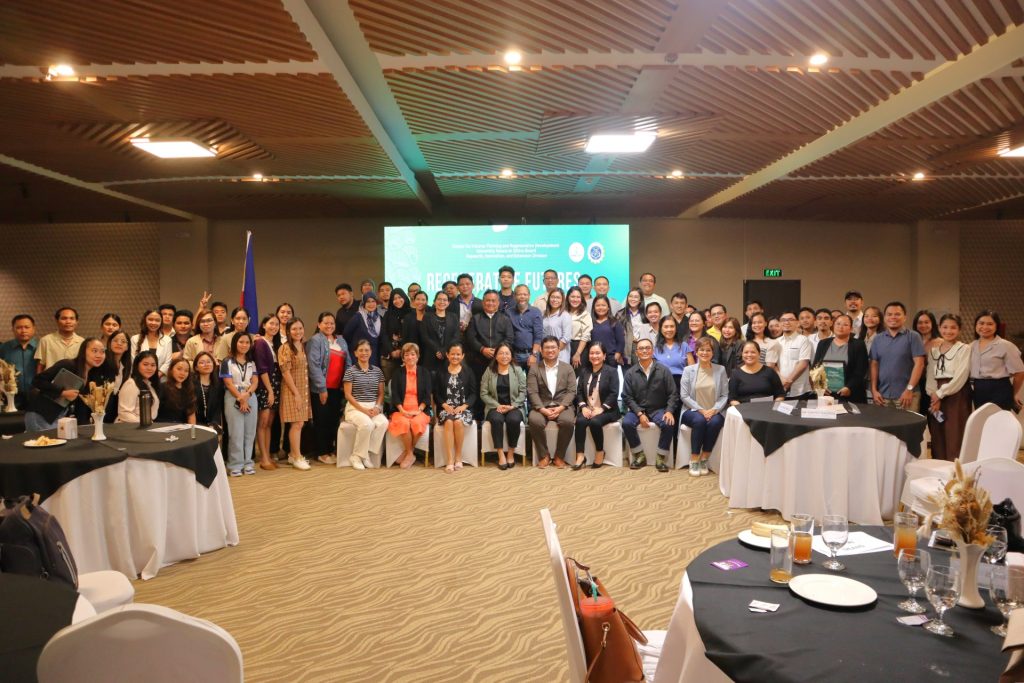
Davao Oriental State University (DOrSU) recently held the first-ever Regenerative Futures (RgF) Conference on November 22 at the Adelina Hotel and Suites in the City of Mati. The conference marked the launch of the RgF Trainer’s Module and the RgF Policy Brief Series, underscoring DOrSU’s commitment to embedding regenerative futures principles into its teaching, research, and community engagement efforts.
The RgF Trainer’s Module is a comprehensive resource designed for academics, educators, researchers, and extensionists. It provides tools and strategies to integrate regenerative principles and futures thinking into teaching, research, and community engagement. Meanwhile, the RgF Policy Brief Series highlights critical issues and actionable solutions for environmental and societal concerns. Its initial publications include Banaybanay Orange River: Why Mining Companies Should be Environmentally Accountable, Unforgetting Limot Cave: Protecting the New Cave Beetle Metabacetus Decideratus in Davao Oriental, and Politicians Must Use Social Media to Engage with Youth Voters.
Following the launch, a panel discussion was held Mr. Mark Aljen D. Binocal, co-author of the RgF Trainer’s Module, alongside Dr. Emily S. Antonio and Dr. Milton Norman D. Medina, lead authors of the policy briefs. The panelists delved into their respective works, offering valuable insights on integrating regenerative principles across diverse disciplines and highlighting practical approaches to fostering systemic change in academic, research, and community contexts.
In his keynote address, DOrSU President Dr. Roy G. Ponce called on university leaders to champion thought leadership in niche areas like regenerative agriculture and biodiversity conservation. He stressed that aligning research and innovation with regenerative principles—such as co-thriving systems, restoration, circularity, sustainability, equity, and inclusion—would enable DOrSU to address both local and global challenges effectively.
The conference also featured thought-provoking plenary sessions. Dr. Daisy T. Besing from the University of Southeastern Philippines delivered a talk titled “Dabaw Patigbabaw 2050: A Regenerative Futures Perspective,” while Asst. Prof. Jhonnel P. Villegas, DOrSU’s resident futurist, presented “Becoming a Regenerative Futures University in the Asia-Pacific: Challenges, Opportunities, and Futures.” Additionally, Dr. Emily S. Antonio explored the importance of ethics in futures studies through her presentation, “Ethical Foresight: Why Does it Matter in Cross-disciplinary Futures Studies?”
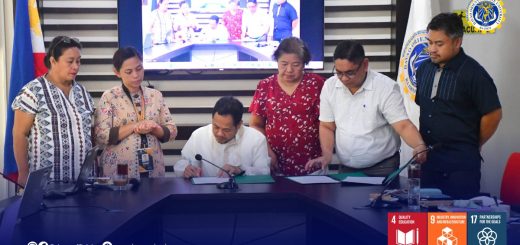
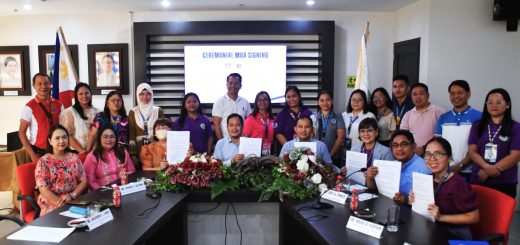
The event concluded with the recognition of key individuals who contributed to Davao Oriental State University’s (DOrSU) regenerative futures niche. Participants signed a Pledge of Commitment to reaffirm their support for DOrSU’s vision of becoming a Regenerative Futures University in the Asia-Pacific by 2035.