

DOrSU President Ponce Presents Mt. Hamiguitan Ecotourism Model to ASEAN Conservation Leaders
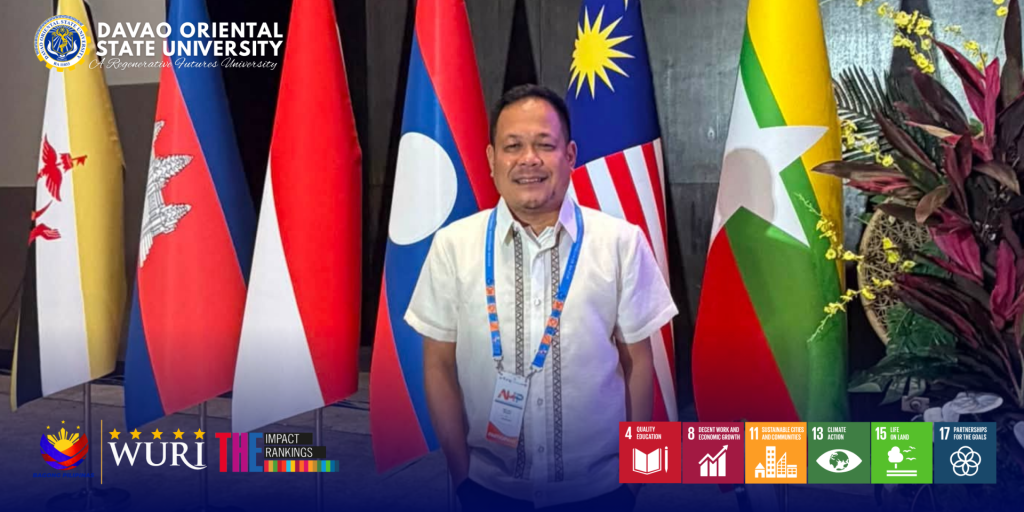
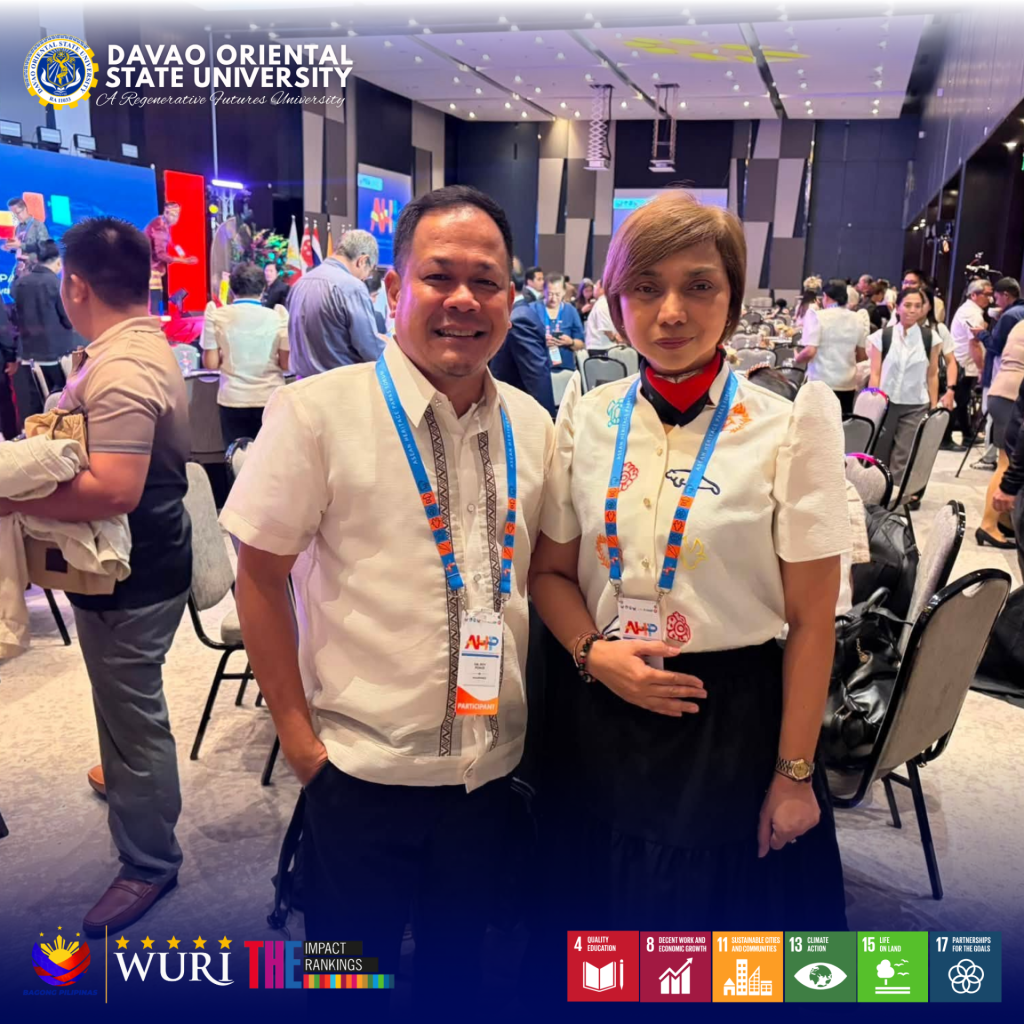
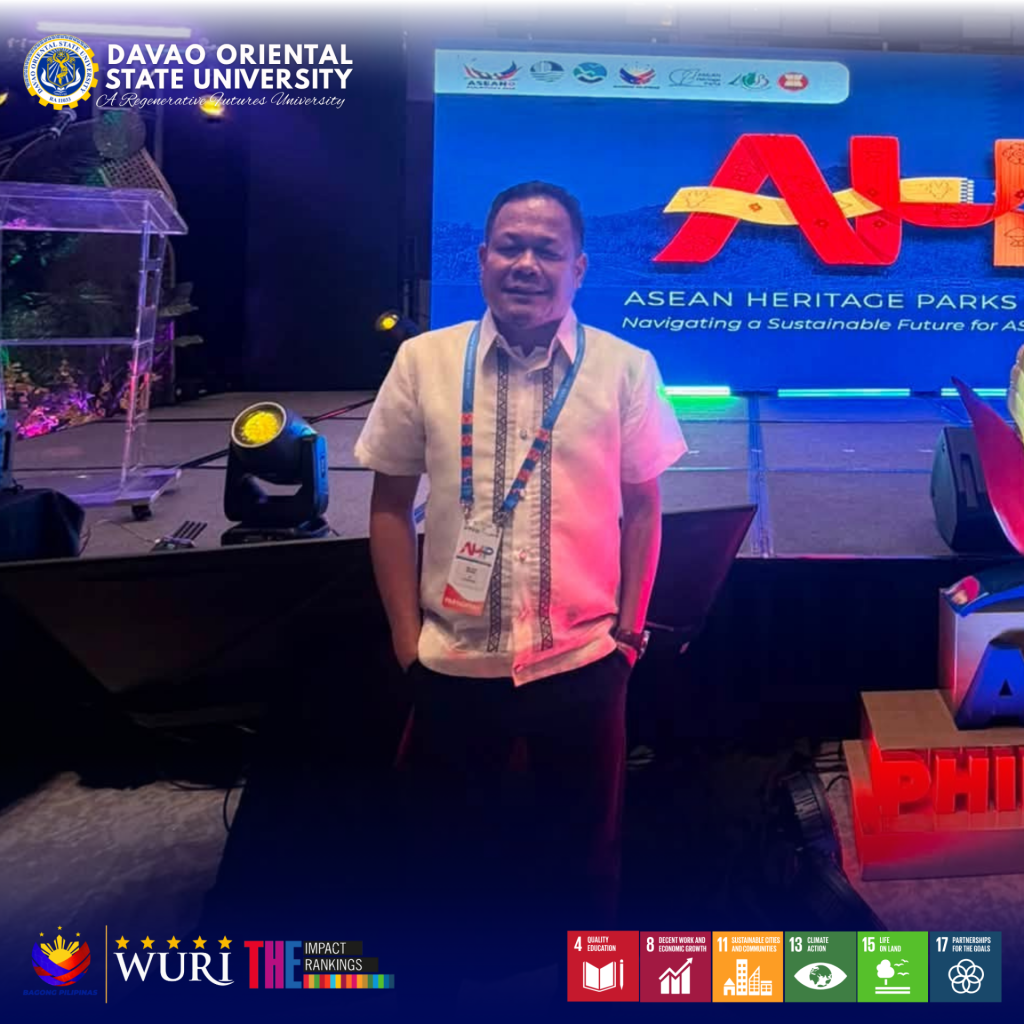
Davao Oriental State University (DOrSU) President Dr. Roy G. Ponce joined biodiversity and protected-area leaders from across Southeast Asia as a resource person at the ASEAN Heritage Parks (AHP) Forum 2026, held on September 8–10 at Seda Vertis North in Quezon City.
Organized by the Department of Environment and Natural Resources–Biodiversity Management Bureau (DENR-BMB) in partnership with the ASEAN Centre for Biodiversity (ACB), the regional forum convened protected-area managers, policymakers, researchers, community representatives, development partners, and other stakeholders from the 11 ASEAN Member States. With the theme “Navigating a Sustainable Future for ASEAN Heritage Parks,” the forum centered on strengthening conservation through climate resilience, sustainable economies, and people-centered protected-area management.
Drawing on his extensive background in biodiversity conservation, Dr. Ponce shared insights during the “Sustainable Tourism and Green Growth” session under the forum’s “AHP as a Prosperity Corridor” stream, focusing his discussion on ecotourism initiatives within the Mt. Hamiguitan Range Wildlife Sanctuary.
In his presentation, “Our Tourism Is Education: Mt. Hamiguitan as a Living Knowledge System for Ecotourism,” Dr. Ponce presented an approach to tourism that places education, research, conservation, and local stewardship at its core rather than focusing primarily on increasing visitor numbers.
He highlighted how the Mt. Hamiguitan Natural Science Museum, research partnerships, student internships, field-based studies, and the participation of forest guards, guides, tour operators, porters, and other local stakeholders have helped turn the protected area into what he described as a “living classroom.”
DOrSU figures prominently in this knowledge system as the sanctuary’s home university, helping strengthen research, knowledge management, and protected-area management while working with other academic partners. The model also develops local resource persons as “local scientists” who learn alongside researchers and contribute directly to interpreting and protecting the mountain.
Dr. Ponce’s presentation underscored a broader pathway for green growth in which conservation produces knowledge, knowledge enriches the tourism experience, and tourism builds local capability and livelihood opportunities—creating benefits that, in turn, help sustain conservation.
The ASEAN Heritage Parks Forum serves as a regional platform for exchanging practices and approaches to biodiversity conservation while strengthening cooperation among ASEAN countries. This year’s discussions also placed particular emphasis on the roles of local communities, Indigenous Peoples, women, and youth in ensuring the long-term protection and sustainable management of the region’s protected areas.