

DOrSU hosts faculty training on Peace and Conflict Studies for Mindanao HEIs
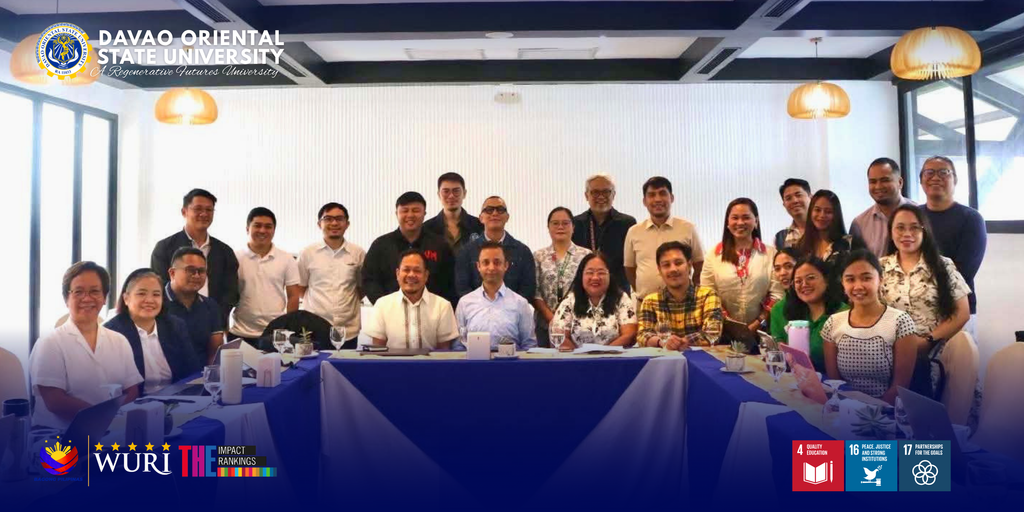
Davao Oriental State University (DOrSU), in partnership with the Civil Peace Service (forumZFD), hosted the second installment of a faculty development training on Peace and Conflict Studies (PCS) on October 22–24, 2026, in the City of Mati, convening educators involved in the development and pilot implementation of the course in Mindanao’s higher education institutions (HEIs).
The training forms part of an ongoing initiative to integrate Peace and Conflict Studies into higher education curricula in Mindanao, in line with Commission on Higher Education (CHED) Memorandum Order No. 1, series of 2019. It followed the first faculty training held in Digos City earlier in October, which covered the course’s foundational topics.
A key part of the training was a review of the initial implementation of the PCS foundational units, during which faculty members from DOrSU and Caraga State University shared their classroom experiences, challenges, and approaches to adapting the course to their respective institutional and local contexts.
The succeeding sessions focused on teaching thematic topics, including gender, peace and security; youth, peace and security; development and peace; climate change and environmental peace; identity and ethnicity; and nonviolent communication.
Participants also took part in microteaching exercises and peer feedback sessions, providing opportunities to practice participatory teaching methods and examine ways to facilitate discussions on sensitive and complex issues in the classroom.
The training concluded with reflection and planning sessions on the next steps for the PCS pilot implementation, including continued faculty development, curriculum refinement, and collaboration among participating institutions.
The initiative is part of a broader effort to develop a context-responsive Peace and Conflict Studies curriculum that equips students with a deeper understanding of conflict, dialogue, and peacebuilding, particularly in the diverse social and cultural settings of Mindanao.