

CMU students, faculty members visit DOrSU for educational tour
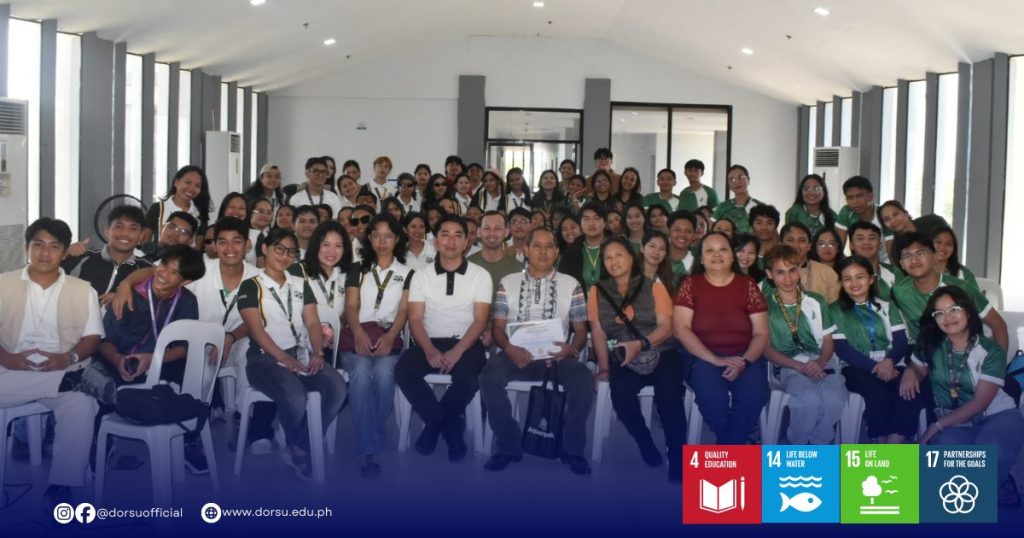
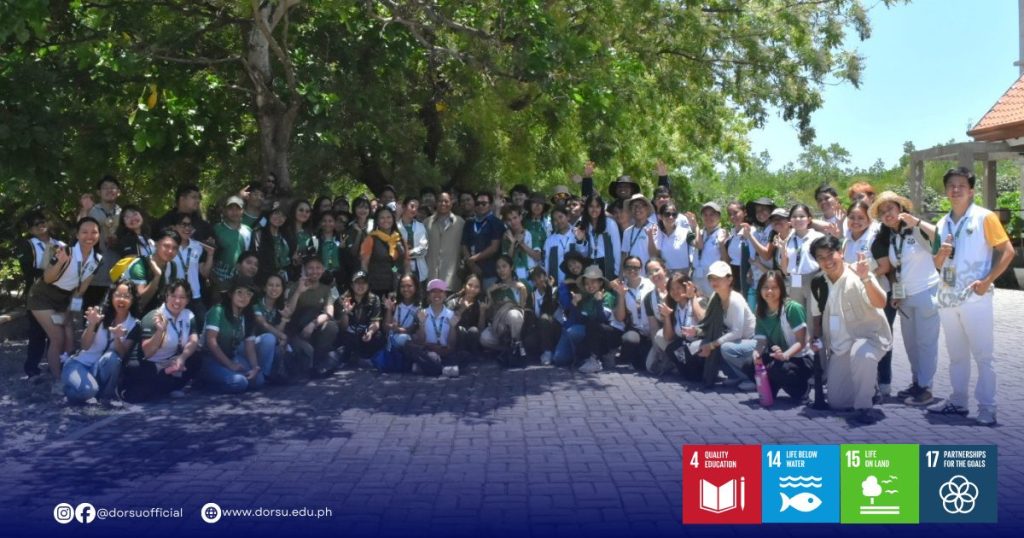
Students and faculty members from Central Mindanao University (CMU) visited Davao Oriental State University (DOrSU) on March 16 for an educational tour centered on coastal biodiversity, conservation, and restoration initiatives.
The activity began with a learning session featuring lectures from Dr. John Glen P. Seniel, Program Head of BS Environmental Science, and Ms. Amy G. Ponce, Director of the Regional Integrated Coastal Resource and Management Center XI.
Dr. Seniel discussed about Guang-guang Mangrove Park and Nursery in Mati City, highlighting its value as a local site for ecological learning and environmental protection. Meanwhile, Ponce delivered a lecture on artificial coral reef restoration in Pujada Bay, giving the visiting delegation a closer look at ongoing coastal and marine conservation initiatives in Davao Oriental.
Following the lectures, the CMU delegation visited DOrSU’s Artificial Coral Reefs Production Facility, established through the university’s partnership with rrreefs, a Switzerland-based socio-ecological impact startup. During the tour, Ponce and Lorjie Bation, both researchers involved in the project, guided the visitors through the facility and introduced them to the university’s coral restoration initiatives and their contribution to marine conservation efforts in the province.
The group also proceeded to the Guang-guang Mangrove Park and Nursery for a field tour. The visit gave students firsthand exposure to the ecological significance of mangrove ecosystems and the conservation work being carried out in the area, reinforcing the discussions from the learning session.
The latest visit reflects CMU’s continuing engagement with DOrSU for educational tours and field-based learning. In 2025, CMU students and faculty members also visited the university for a study tour on mangrove biodiversity and conservation. During that earlier visit, participants attended a lecture on the ecological roles of mangroves, including coastal protection, biodiversity support, and carbon sequestration, before taking part in field activities such as plant sample collection and species identification at the Guang-guang Mangrove Park and Nursery.
CMU’s return this year highlights the growing academic linkage between the two institutions, with both universities leveraging expert-led discussions and field exposure to deepen students’ understanding of environmental science and conservation practice.