

𝗗𝗢𝗿𝗦𝗨 𝗢𝗽𝗲𝗻𝘀 𝗪𝗼𝗿𝗹𝗱 𝗧𝗲𝗮𝗰𝗵𝗲𝗿𝘀’ 𝗠𝗼𝗻𝘁𝗵 𝘄𝗶𝘁𝗵 𝗖𝗮𝗹𝗹 𝗳𝗼𝗿 𝗘𝗱𝘂𝗰𝗮𝘁𝗶𝗼𝗻-𝗗𝗿𝗶𝘃𝗲𝗻 𝗥𝗲𝘀𝗶𝗹𝗶𝗲𝗻𝗰𝗲
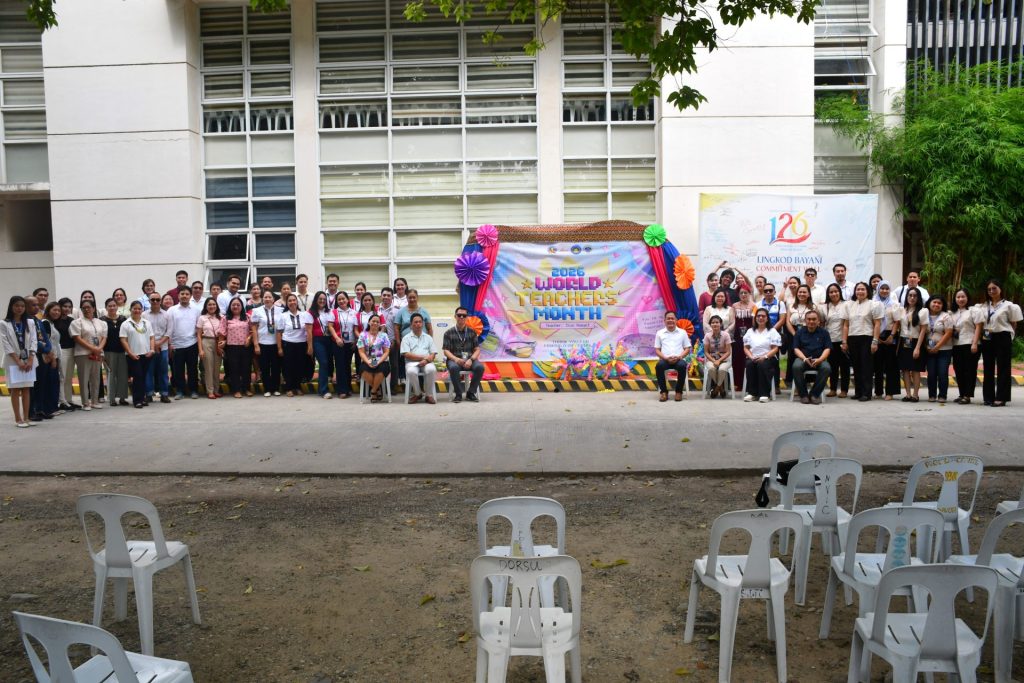
Davao Oriental State University (DOrSU) opened its World Teachers’ Month celebration on October 5, 2026, with President Dr. Roy G. Ponce calling on the university community to uphold education as a pillar of resilience amid the challenges facing the country.
In his message during the opening program, President Ponce said education remains relatively protected from the country’s economic difficulties because of the government’s continued prioritization of the sector. He, however, cautioned against complacency as rising oil prices, geopolitical tensions, political issues, and economic pressures continue to affect Filipino households.
President Ponce emphasized that teachers have a role that extends beyond classroom instruction, particularly during periods of uncertainty. He said education must help individuals and communities understand emerging challenges, prepare for risks, and respond effectively to changing conditions.
He cited the possible effects of El Niño in late 2026 and early 2027 as one area where DOrSU can contribute to community preparedness. President Ponce called on the university to spearhead a provincial communication plan through its radio station and other platforms to help communities prepare for potential threats to food security.
He also highlighted the importance of cultivating a culture of care within the university community. President Ponce cited the initiative of Vice President for Academic Affairs and President Emeritus Dr. Edito B. Sumile and a group of retired university personnel who visited a former colleague in Sultan Kudarat.
For President Ponce, such acts of care demonstrate that the work and relationships built through education can continue beyond the classroom and beyond one’s years of service.
As DOrSU celebrates World Teachers’ Month, President Ponce underscored the enduring responsibility of educators to strengthen not only learners but also the communities they serve.
Amid economic uncertainty and emerging challenges, he emphasized that education must remain a source of stability, preparedness, and resilience.