
IP forum at DOrSU underscores protection of indigenous knowledge, cultural rights
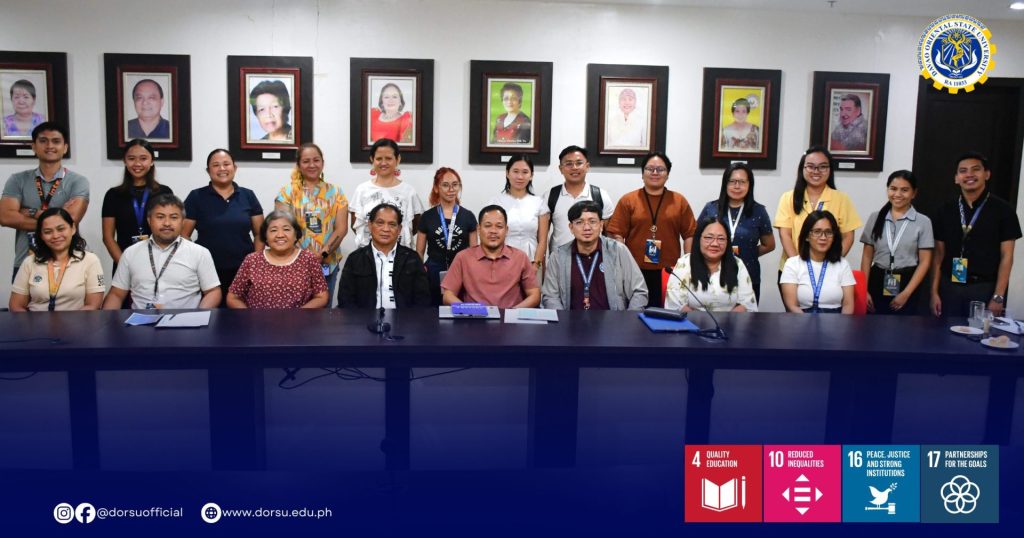
The protection of indigenous knowledge and the cultural rights of Indigenous Cultural Communities and Indigenous Peoples (ICCs/IPs) took center stage during an Indigenous Peoples (IP) Forum held on April 7 at the Davao Oriental State University Main Campus.
The forum highlighted the legal and ethical safeguards that must guide research involving indigenous communities, particularly in documenting Indigenous Knowledge Systems and Practices (IKSPs) and Customary Laws (CLs). Discussions centered on NCIP Administrative Order No. 01-12, which sets the standards for research and documentation involving IKSPs and CLs.
Atty. James Ian A. Generale, Legal Officer of NCIP Davao Oriental, said the protection of indigenous knowledge is grounded in the Constitution and the Indigenous Peoples’ Rights Act of 1997. He emphasized the rights of ICCs/IPs over their intellectual and cultural property, as well as the requirement of Free and Prior Informed Consent for access to biological and genetic resources within ancestral domains.
He also stressed that research involving indigenous communities must go beyond legal compliance and uphold customary laws, traditional leadership structures, and community ethics.
Present during the forum were Hon. Eleuterio C. Manaytay, Indigenous Peoples Mandatory Representative to the Sangguniang Panlalawigan of Davao Oriental; leaders from IP communities; representatives from partner agencies; and DOrSU officials led by President Dr. Roy G. Ponce.
Also in attendance were DOrSU President Dr. Roy G. Ponce and key university officials, including Dr. Lea A. Jimenez, Vice President for Research, Innovation, and Extension; Dr. Jonathan S. Cabrera, Director for Research; Dr. Lanie B. Laureano, Director for Extension; Dr. Emily S. Antonio, head of the Research Ethics Office; and faculty researchers of the university.
In her message, Dr. Jimenez underscored the role of indigenous peoples as stewards of biodiversity and bearers of knowledge that remains relevant amid environmental and social challenges.
“For generations, the indigenous peoples have been the steadfast guardians of our rich biodiversity,” she said. “Your time-honored practices in sustainable resource management offer invaluable lessons amid today’s pressing challenges, including climate change and development pressures.”
She said DOrSU remains committed to working with indigenous communities through respectful and inclusive research, innovation, and extension partnerships.
The gathering served as a platform to strengthen cooperation among academic institutions, government agencies, and indigenous communities to ensure that indigenous knowledge is not only documented, but also respected, protected, and passed on.
Article by Erica Mae O. Abapo, Everlyn C. Bautista, and Christopher P. Bautista