

DOrSU wraps up coffee project assessment, brings holiday cheer to quake-hit farmer-beneficiaries

Davao Oriental State University (DOrSU) completed a three-day monitoring and evaluation visit for its community-based coffee initiative in Sitio Matabang, Taocanga, Manay, pairing the field assessment with a gift-giving activity for coffee farmer-beneficiaries.
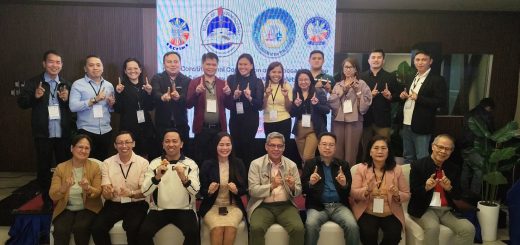
Organized in partnership with the National Service Training Program (NSTP), the activity, held on December 12–14, 2025, was part of the University’s extension program, “Empowering Indigenous Communities through Regenerative Agriculture, Biodiversity, and Culture.” The visit was led by Dr. Mary Fil M. Bauyot, Program Leader, with Ms. Laarni Pasion, Assistant Program Leader, alongside Ms. Jeni A. Nicolas, Director of the Cooperative Development Center, Mr. Renie Bancale, head of the Monitoring and Evaluation unit, and support staff from DOrSU’s Research, Innovation, and Extension office.
The field work focused on checking on the condition and progress of the coffee sites, documenting developments on the ground, and identifying any gaps where farmers may need additional support as the project continues. This round of monitoring also included a gift-giving activity, which organizers described as a simple way to lift spirits and share holiday cheer with coffee farmer-beneficiaries, especially in the wake of the October 2025 doublet earthquake that struck Davao Oriental and affected communities across the province.
The coffee initiative in Sitio Matabang is part of DOrSU’s broader push to advance regenerative agriculture in partner communities. In January 2025, the University earlier led the ceremonial planting of 30,000 coffee seedlings in the area, laying the groundwork for a community-based coffee farm aimed at supporting household income while encouraging farming practices that protect soil health and surrounding biodiversity. A follow-up monitoring activity was conducted in May, which included checking plantation conditions and geo-tagging of planting sites to improve documentation and tracking.
The project team will continue on-site monitoring and evaluation as the coffee stands develop, to track progress in the field and help safeguard the project’s long-term gains for the community.